CES Laser Machine

This is CES.

CES logo
CES Laser Machine Private Limited
Scroll to open
0+
Years of Excellence
0+
Installations
0+
Industries Served
24-48 Hr
Service Response
Why CES

Why manufacturers choose CES Laser.

01

In-house Manufacturing

Direct factory price

02

Pan-India Service

24-48 hr response

03

Genuine Spare Parts

Ready stock

04

Free Installation

+ operator training

05

Live Demo Facility

See it before you buy

Factory Direct

Ready to power up your production?

Talk to our engineers about the right laser solution for your shop, factory-direct pricing, free demo and pan-India support.

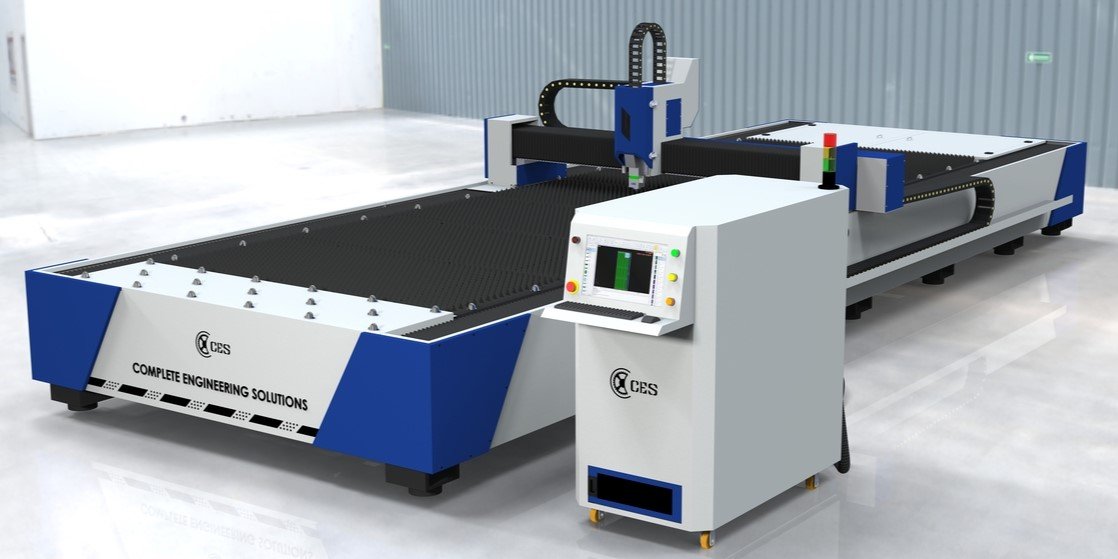
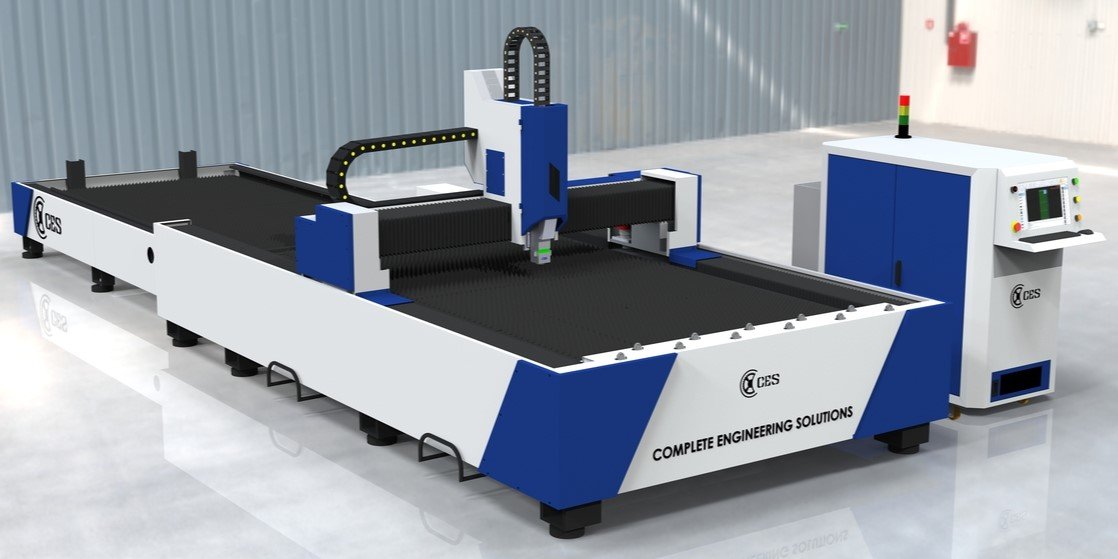
Our Range

Do more with less.

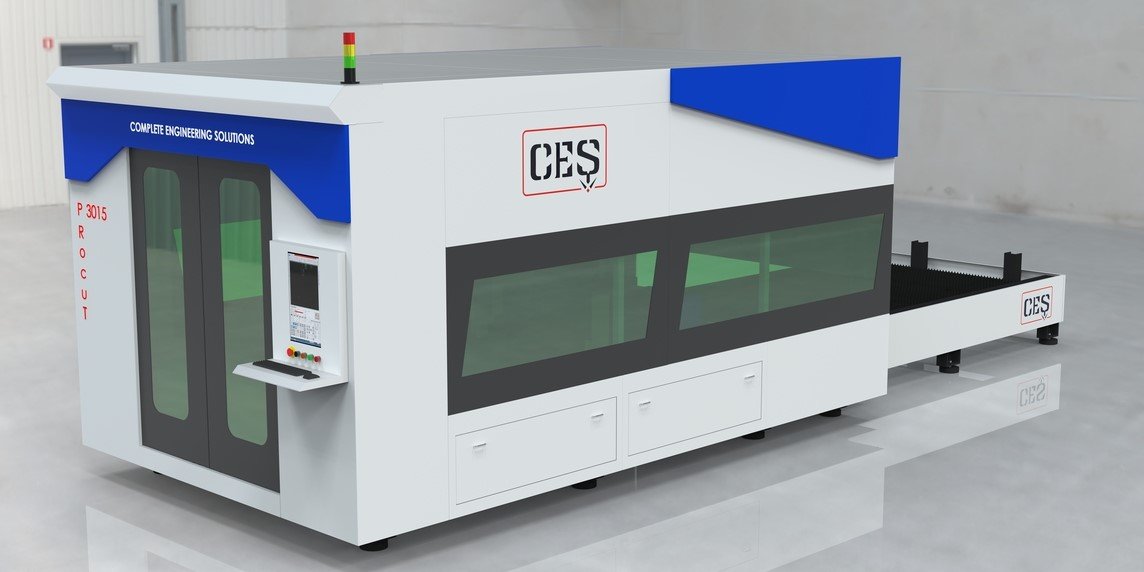
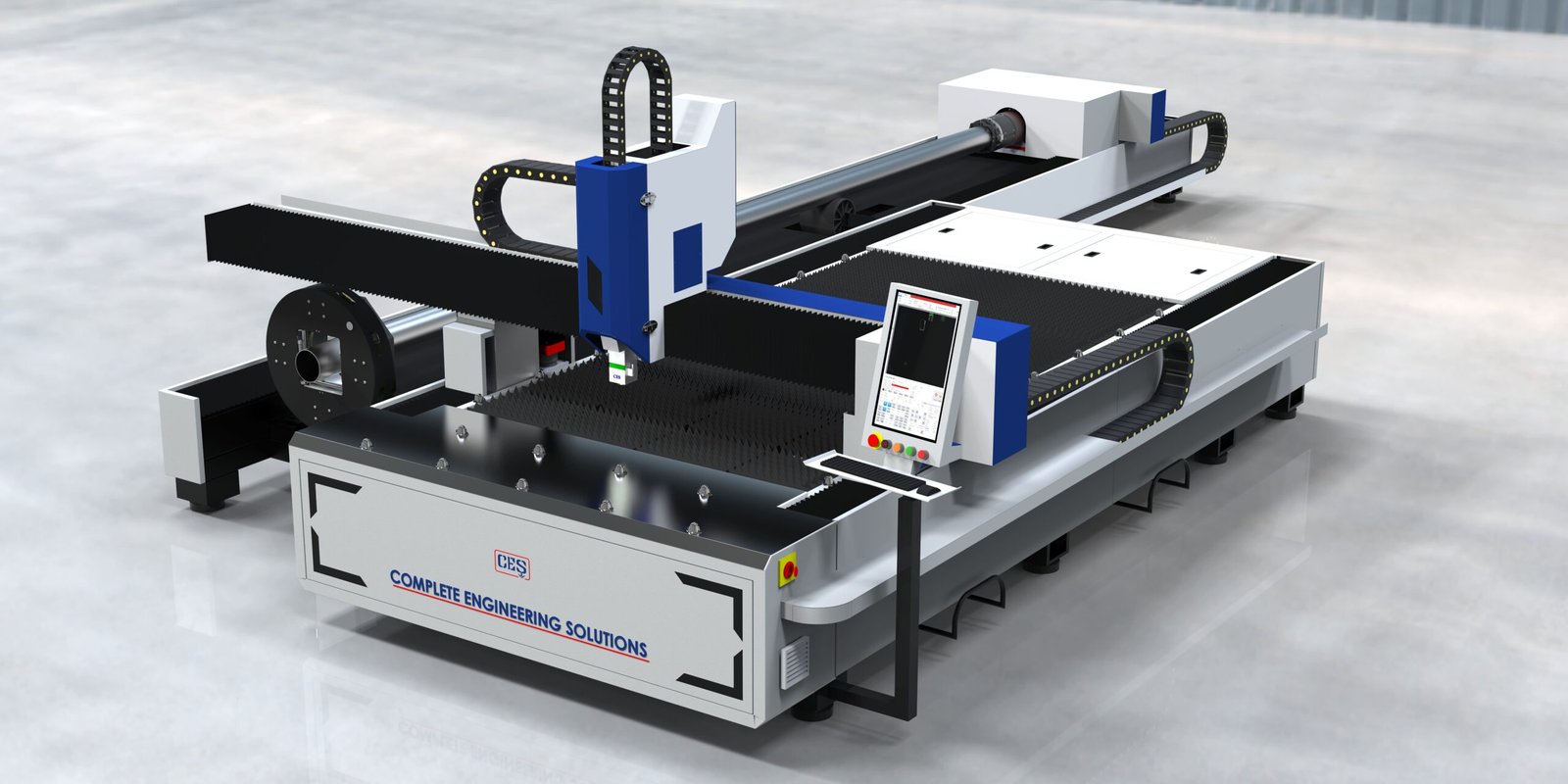
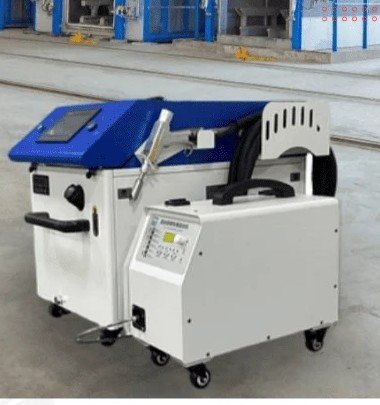
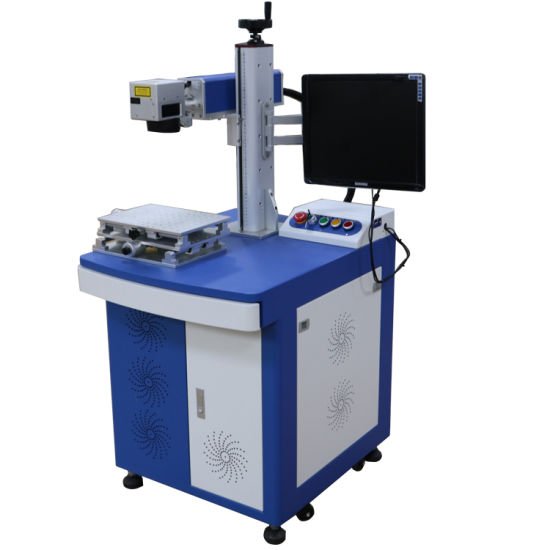
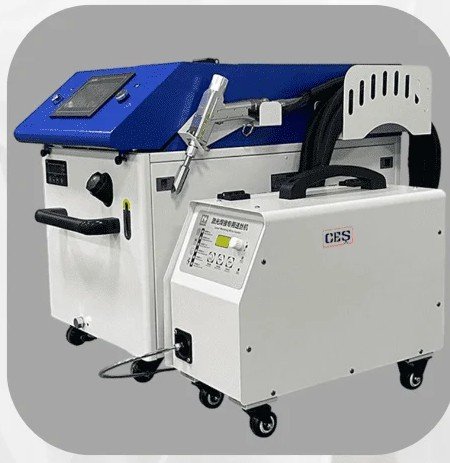
One platform for cutting, welding, marking & cleaning, explore the complete CES machine range in a single glance.
Applications

Industries we serve.

View Applications
Engineering

Engineering

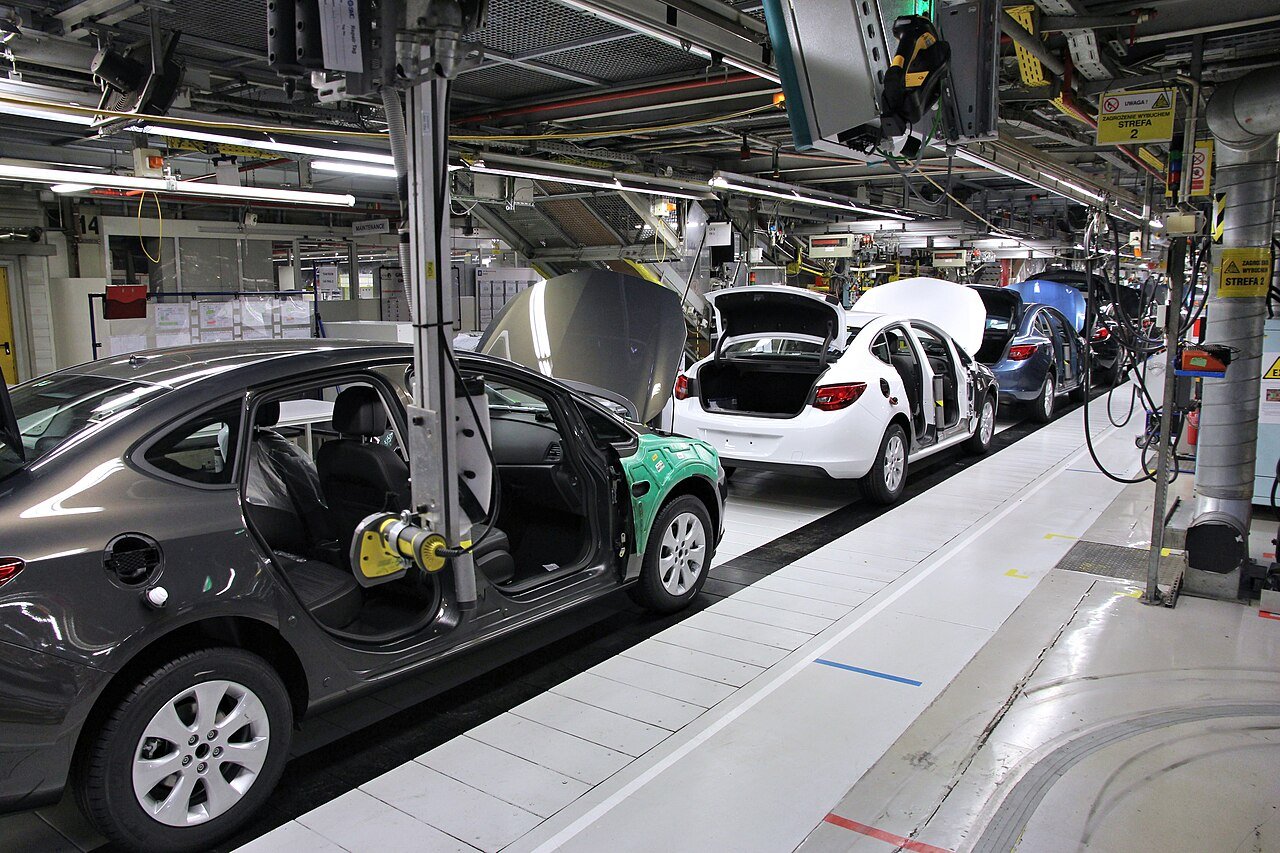
Automobile

Automobile

Electronics

Electronics

Pharma

Pharma

Kitchen Equipment

Kitchen Equipment

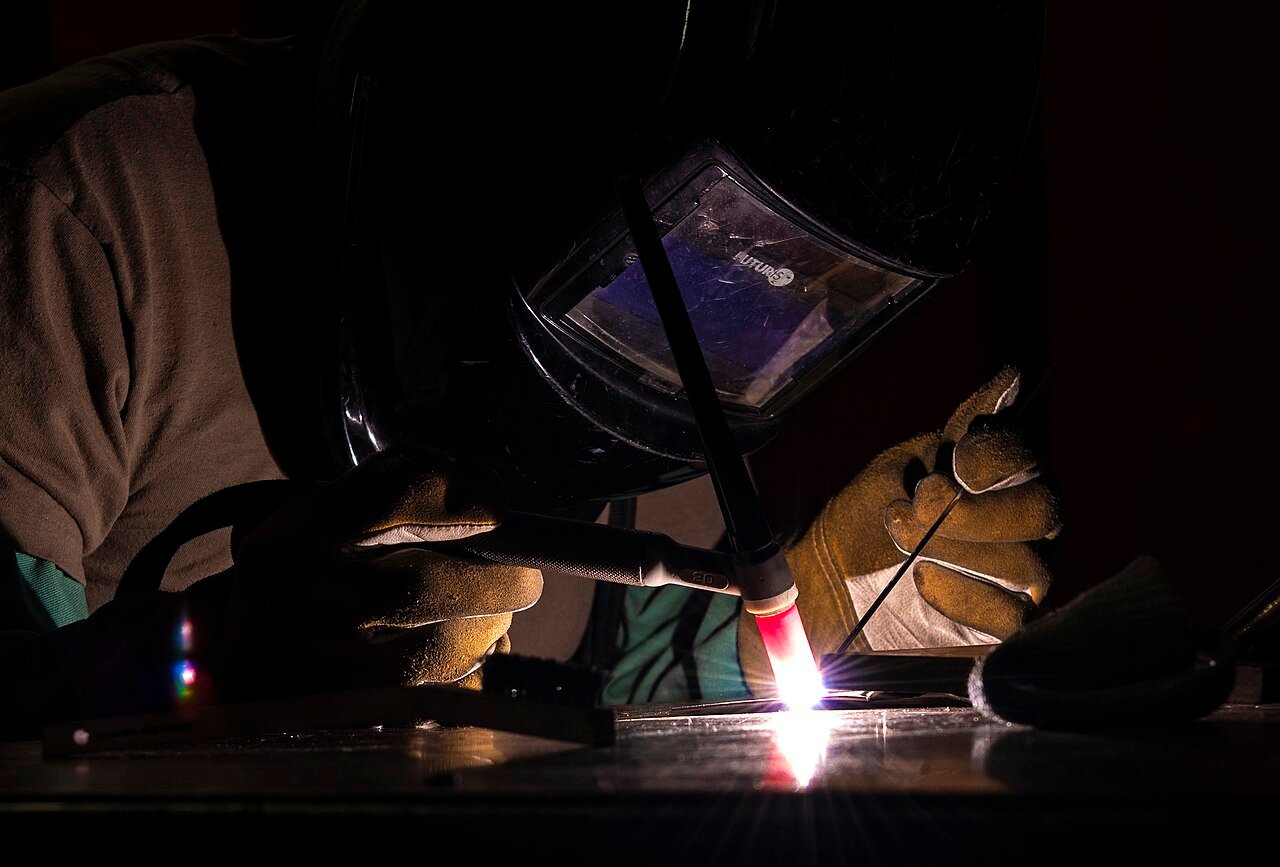
Furniture & Railing
Furniture & Railing

Sheet Metal Job Work
Sheet Metal Job Work

Signage & Advertising

Signage & Advertising

Nationwide Network

Our machines, across India.

From Ahmedabad to every major manufacturing hub, backed by pan-India installation and 24-48 hour service response.

Map of India showing CES laser machine installations
500+
Installations
100+
Cities covered
24-48 hr
Service response
Testimonials

What our customers say.

Reviews on Google
Trusted by manufacturers across India
Read all reviews on Google
The 6kW machine paid for itself within a year. Cut quality and uptime have been outstanding, and their service team responds fast.
RP
Rajesh Patel
Shreeji Fabrication, Ahmedabad
We switched from an imported machine to CES for the local support. Installation and training were smooth and our operators love it.
AS
Amit Shah
Precision Metalworks, Rajkot
Factory-direct pricing with genuine spares in stock. Exactly what a growing job shop needs. Highly recommended.
SV
Sunil Verma
Verma Engineering, Pune
Their team helped us pick the right power for our panel work instead of overselling. Two years in, zero regrets.
MD
Mehul Desai
Laxmi Fabricators, Surat
Service engineer reached our unit within a day when we needed support. That response time is why we bought Indian.
AK
Arvind Kumar
AK Industries, Delhi
  • ShreejiFab
  • MetalWorks
  • VermaEngg
  • ProCut
  • SteelLine
  • FabIndia
FAQ

Frequently asked questions.

Pricing depends on the laser power (1kW-12kW), working area and configuration. As a direct manufacturer, CES offers factory pricing with no middlemen. Share your requirement and we'll send you the best quote within 24 hours.

It depends on the material and thickness you cut most. 1-2kW suits thin sheet and job work; 3kW handles most general fabrication; 6kW and above is for thick plate and high-speed production. Our engineers will recommend the ideal power for your parts.

Yes. Every CES machine includes free on-site installation and hands-on operator training, so your team is fully productive from day one.

Machines come with a comprehensive manufacturer warranty covering the laser source and core components. Extended warranty and annual maintenance contracts (AMC) are also available.

Standard configurations are typically delivered and installed within 3-5 weeks. Custom builds may vary, we confirm a firm timeline at the time of order.

Yes, we support flexible EMI and machinery financing through our banking and NBFC partners. Talk to our team to structure a plan that fits your cash flow.

Knowledge Hub

Laser cutting insights.

Read All Articles
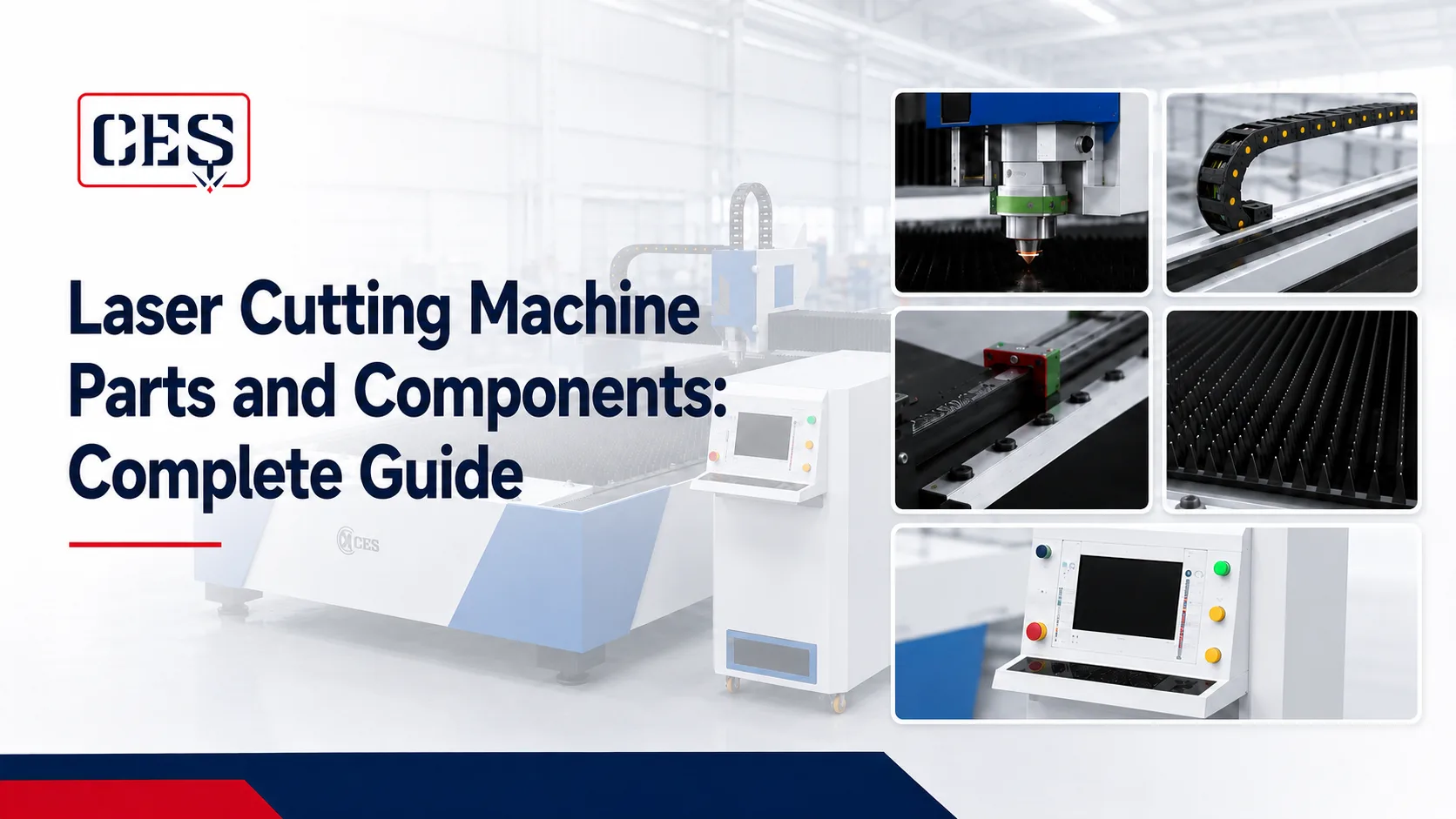
Laser Cutting Machine Parts and Components: Complete Guide
Article

Laser Cutting Machine Parts and Components: Complete Guide

If your laser cutting machine is giving you inconsistent cuts, unexpected downtime, or rising maintenance bills, the problem usually comes down to one specific part, not the whole system. Every laser cutting machine, whether it’s a CO2, fiber, or CNC laser cutting machine, is really a stack of components working together: optics, mechanics, electronics, and gas handling, all coordinated to turn a beam of light into a clean cut. Knowing the laser cutting machine parts name, what each one actually does, and which ones fail first makes troubleshooting faster and keeps you from ordering the wrong spare at 6 PM on a Friday. This guide walks through the major components of laser cutting machine systems, from the laser source down to the laser cutter filter nobody thinks about until it clogs. Why It’s Worth Knowing These Parts A laser cutting machine isn’t one unit. It’s several systems bolted together, each with a job: Once you know the components of laser cutting equipment individually, ordering the right cnc laser parts or catching a problem early stops being guesswork. Quick Overview Component Primary Function Maintenance Frequency Laser Source/Generator Produces the laser beam Low Laser Cutting Head Focuses and directs the beam onto material High CNC Control System Controls motion, power, and cutting parameters Low Motion/Drive System Moves the cutting head across X, Y, Z axes Medium Machine Bed/Frame Provides structural support and stability Low Chiller/Cooling System Regulates temperature of laser and optics Medium Assist Gas System Supplies nitrogen, oxygen, or air for cutting Medium Fume Extraction & Filter Removes smoke, dust, and particulates High Laser Source: Where It All Starts Call it the laser source, generator, or resonator, this is the single most important component of laser cutting equipment, and usually the priciest one too. Fiber laser machines use a solid-state fiber generator. Older CO2 systems rely on a gas resonator instead. Either way, this part sets your ceiling: how thick a material you can cut, and how fast. Fiber has mostly taken over for metal cutting because it runs cheaper and more efficiently than CO2. If you’ve shopped around for fiber laser parts, you’ve probably already run into the usual names, IPG, Raycus, MAX, JPT, each offering slightly different price-to-power ratios. Because there aren’t many moving parts inside a laser source, it needs the least day-to-day attention of anything on this list. That’s the good news. The bad news is that when it does fail, it’s the most expensive thing on the machine to replace. The Cutting Head: Precision Lives Here If the laser source is the engine, the fiber laser cutting head is the nozzle end where the actual work happens. Cut quality traces back to this part more than almost anything else. Inside, you’ll typically find: • nozzle, which directs both the beam and the assist gas onto the material • focus lens that concentrates the beam into a fine, high-energy point • focus tracking system, keeping the nozzle at a consistent height above the material • protective window shielding the lens from spatter A dirty or damaged nozzle shows up immediately as rough edges. A contaminated lens quietly loses power over time, and if nobody notices, it can burn out entirely. Bad tracking gives you inconsistent depth, especially on warped or uneven sheet. Raytools, Precitec, WSX, and BOCI are the brands you’ll see most often on laser cutter head listings, with heavier machines usually pairing up with heads built to handle sustained thermal load. CNC Control System This is what turns a design file into actual machine movement, arguably the most underrated of all the cnc laser parts because everyone notices the laser source but few people talk about the software running it. It interprets DXF or DWG files into cutting instructions, adjusts speed, power, and focus height on the fly, and keeps the motion system in sync so cuts come out repeatable rather than approximate. Cypcut, Lantek, and Raytools X3S show up frequently in this space. A well-calibrated system cuts down on scrap significantly, and it’s worth remembering that software updates can improve cutting speed on a machine you already own, without touching a single physical part. Motion and Drive System Somebody has to actually move that cutting head, and that’s the job of servo or stepper motors paired with linear guides and rails. Servo motors cost more but handle high-precision, high-load work well. Stepper motors are the budget option, fine for lighter applications where extreme accuracy isn’t the priority. Worn rails or bearings are, honestly, one of the most common causes of vibration marks and edge inconsistency, and they get blamed on the laser or the head far more often than they should. Machine Bed and Frame Everything else depends on this being solid. You can have the best laser source and cutting head money can buy, but if the frame flexes during a cut, quality suffers anyway. Gantry, cantilever, and beam-type are the common frame designs. Beds are usually stress-relieved steel, built specifically to resist warping over years of use. A rigid frame matters more at higher cutting speeds, where even small vibrations get amplified into visible defects. Chiller: The Part Everyone Forgets Until It’s Too Late The chiller circulates coolant around the laser source and cutting head optics. Skip proper cooling and both degrade fast. Done right, it extends the laser source’s life, keeps beam quality consistent across long runs, and protects expensive optics from heat damage. Neglect it, and you’re looking at premature laser failure or a slow drift in beam quality that’s hard to diagnose until output drops noticeably. Topping up or replacing coolant is routine maintenance that a lot of shops genuinely put off until something forces the issue. Assist Gas System Nitrogen, oxygen, or plain compressed air, whichever your process uses, gets delivered through cylinders, regulators, filters, and piping straight to the cutting head. Gas purity and pressure affect edge quality directly. Poor filtration in the line is a sneaky problem: moisture or oil gets into the cutting head

14 Jul 20268 min read
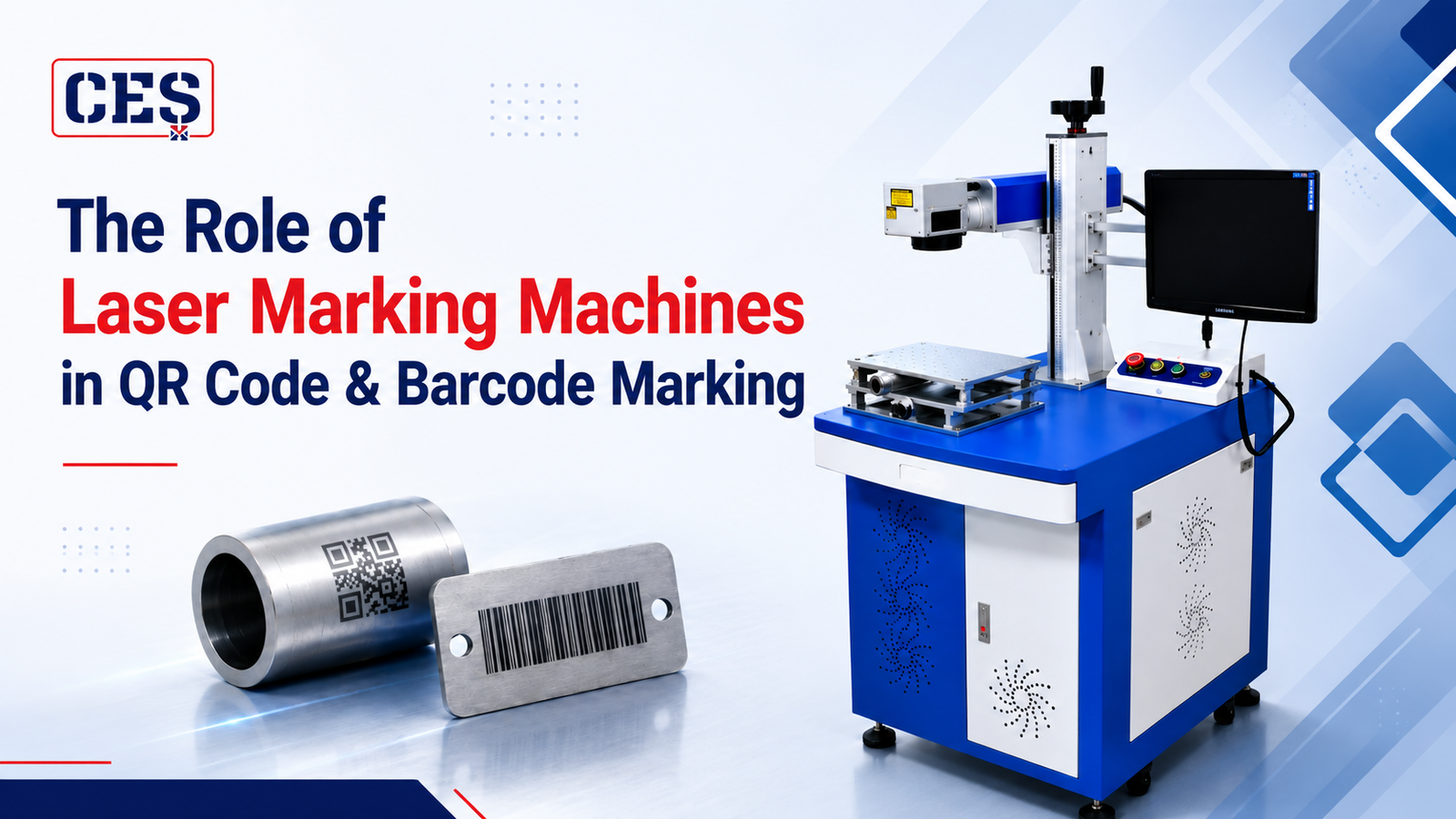
The Role of Laser Marking Machines in QR Code & Barcode Marking
Article

The Role of Laser Marking Machines in QR Code & Barcode Marking

Every product that moves through a modern supply chain needs to be tracked, traced, and verified at some point. A scratched barcode or a faded label can hold up an entire production line, trigger a compliance issue, or make a product impossible to recall if something goes wrong. That’s exactly why more manufacturers are moving away from printed labels and adopting a laser marking machine for QR code and barcode marking instead. Unlike ink-based printing, laser marking doesn’t sit on top of the material. It changes the surface itself, which means the code stays readable long after labels would have peeled off, faded, or worn away. If you’re a production manager, quality engineer, or procurement professional evaluating traceability solutions, this guide walks you through how the technology works, which industries rely on it, and what to look for before you invest. What Is a Laser Marking Machine for QR Code and Barcode Marking? A laser marking machine for QR code and barcode marking uses a focused laser beam to etch, engrave, or alter the surface of a material to create a permanent, scannable code. Instead of printing ink onto a label and sticking it to a product, the laser interacts directly with the material’s surface, producing a mark that becomes part of the product itself. This is different from traditional barcode printing in one important way: durability. A printed label can be removed, damaged, or contaminated. A laser-marked code is built into the surface, so it holds up under heat, chemical exposure, abrasion, and repeated handling, which is exactly what most industrial environments demand. How Laser Marking Machines Work for QR Codes and Barcodes The process is more straightforward than it sounds, but the details matter for get­ting a code that scans correctly every time. This entire cycle typically takes a fraction of a second per part, which is why laser marking integrates well into high-speed production environments. Why Manufacturers Choose Laser Marking for QR Codes Traceability is the core reason most companies switch to laser marking, but it’s not the only one. Here’s what typically drives the decision: Permanent, tamper-resistant codes Since the mark is part of the material, it can’t be peeled off or easily altered, which matters for industries dealing with counterfeiting or regulatory audits. Consistent readability A well-calibrated laser system produces uniform contrast and depth, which keeps scan rates high and reduces the manual rescans that slow down packaging lines. No consumables There’s no ink, ribbon, or adhesive label to restock, which cuts down on recurring costs and eliminates a common point of production downtime. Works across materials A single machine can often mark metal, plastic, and coated surfaces, which reduces the need for multiple labeling systems on a mixed production line. Faster changeovers Marking parameters and code data can be updated instantly in software, so switching between product batches doesn’t require new label stock or die changes. Industries That Rely on QR Code and Barcode Laser Marking Automotive and Auto Components Automotive parts often need to carry a traceable identifier for their entire service life, sometimes 10 to 15 years. Engine components, brake parts, and chassis elements are commonly laser-marked with data matrix codes that survive heat, oil exposure, and vibration far better than adhesive labels. Electronics and PCB Manufacturing Circuit boards and electronic housings are marked with tiny, high-resolution QR codes for component traceability and serial tracking. Because laser marking doesn’t apply pressure or heat stress across the whole part, it’s suitable for delicate electronic assemblies where a label or stamping process could cause damage. Pharmaceuticals and Medical Devices Regulatory bodies increasingly require permanent, tamper-evident identification on medical instruments and pharmaceutical packaging for track-and-trace compliance. Laser-marked codes on surgical tools and device casings won’t wash off during sterilization cycles, unlike printed alternatives. Industrial and Heavy Engineering Metal components, tools, and machine parts go through laser marking for asset tracking, warranty verification, and inventory control. These codes need to survive machining fluids, rust, and repeated handling, conditions where printed labels typically fail within weeks. Packaging and Consumer Goods Even where full permanence isn’t required, manufacturers use laser marking on primary packaging for date codes, batch numbers, and QR codes linked to product authentication or consumer-facing content, especially where line speed and consistency matter more than depth of mark. Aerospace Aerospace components require some of the strictest traceability standards in any industry. Laser-marked data matrix codes allow individual parts to be tracked across their entire lifecycle, from manufacturing through maintenance, repair, and eventual decommissioning. Materials a Laser Marking Machine Can Handle One of the practical advantages of an industrial laser marking machine is its ability to work across a wide range of materials without switching equipment: Material Type Common Applications Typical Marking Result Stainless steel & metals Auto parts, tools, medical devices High-contrast engraved or annealed mark Aluminum Electronics housings, aerospace parts Dark, oxidized mark with good contrast Plastics (ABS, PC, PP) Consumer goods, electronic casings Surface etch or color-change mark Coated/painted surfaces Automotive components Surface layer removal exposing base material Anodized aluminum Nameplates, industrial equipment Clean, precise mark without material loss The right laser source (fiber, CO2, or UV) depends heavily on the material. Fiber lasers are the most common choice for metal marking, while CO2 systems tend to work better on organic materials like wood, glass, or certain plastics. Choosing the Right Laser Marking Machine for Barcode Marking Before selecting a system, it helps to evaluate a few practical factors rather than going by specifications alone. Common Mistakes to Avoid Even with the right machine, a few setup mistakes tend to show up repeatedly on production floors: Final Thoughts A laser marking machine for QR code and barcode marking isn’t just a labeling upgrade. It’s a traceability investment that affects quality control, compliance, and how efficiently your production line runs day to day. Getting a permanent, scannable code right the first time reduces rework, protects your product data from tampering, and keeps your supply chain accountable from raw material to end user. Frequently

8 Jul 20268 min read
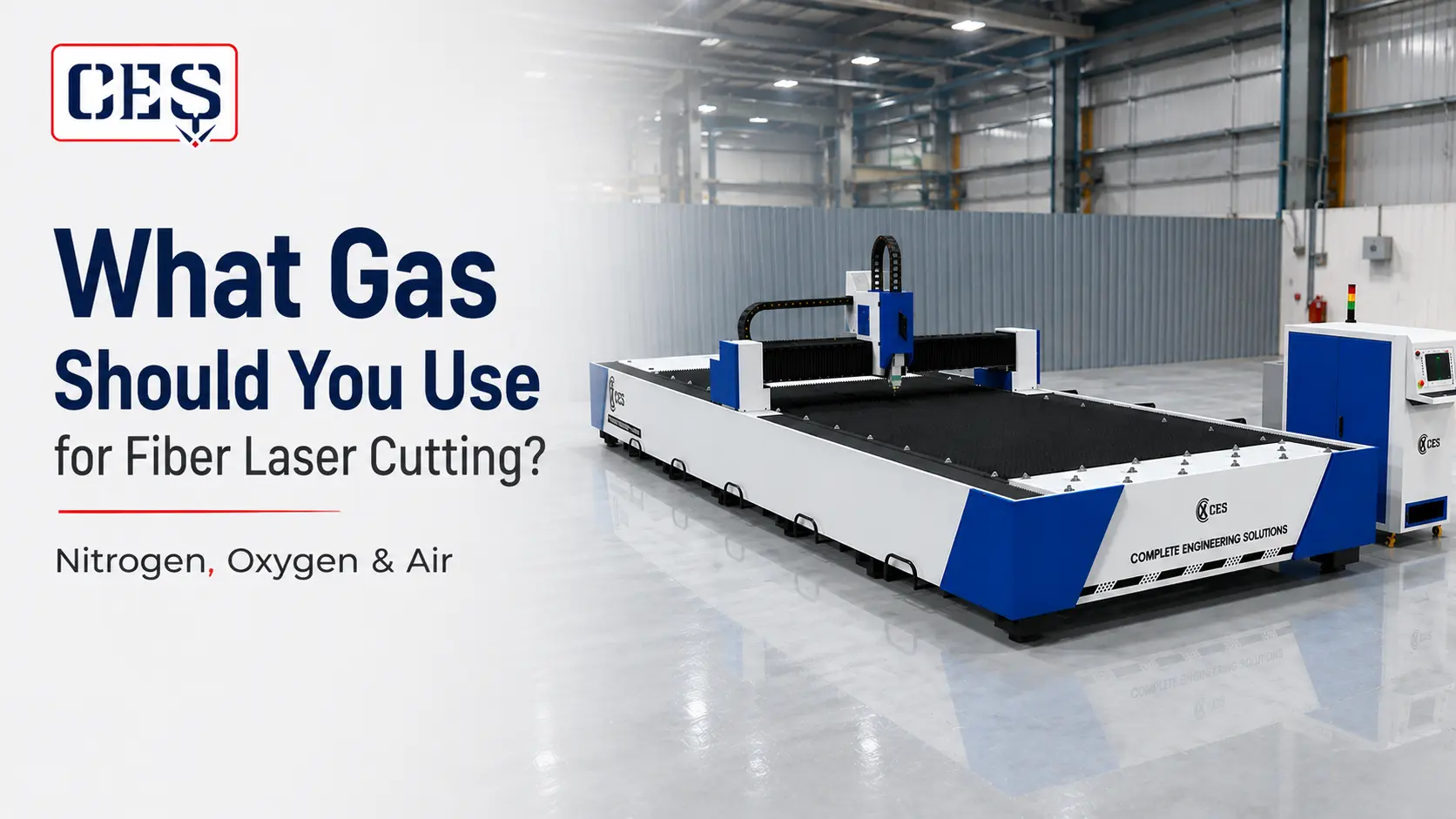
Fiber Laser Cutting Gas Guide: Nitrogen, Oxygen & Air
Article

Fiber Laser Cutting Gas Guide: Nitrogen, Oxygen & Air

If you’re running a fiber laser machine and struggling with rough edges, discoloration, or slow cut speeds, there’s a good chance your assist gas choice is the problem, not your machine settings. The type of gas you use for fiber laser cutting directly affects cut quality, edge finish, material compatibility, and your overall operating cost. Whether you’re cutting mild steel, stainless steel, aluminum, or brass, using the wrong gas can ruin an otherwise perfect setup. In this guide, we break down the three main assist gases, nitrogen, oxygen, and compressed air, so you can make the right call for your specific application. Why Assist Gas Matters in Fiber Laser Cutting Before we compare gases, let’s understand what assist gas actually does during the laser cutting process. When a fiber laser beam hits the material, assist gas is blown through the cutting nozzle at high pressure. It serves three key purposes: • Ejects molten material from the kerf (cut channel) • Cools the cut zone and surrounding area • Controls or prevents oxidation on the cut edge The right assist gas keeps the cut clean, fast, and burr-free. The wrong one creates dross buildup, discolored edges, or significantly increases your per-hour operating cost. The 3 Main Gases Used in Fiber Laser Cutting Here is a quick comparison before we dive into each gas in detail: Gas Best For Materials Cut Edge Quality Relative Cost Nitrogen (N2) Stainless steel, aluminum, brass, copper Oxide-free, bright silver High Oxygen (O2) Mild steel / carbon steel Slight oxide layer, darker edge Low–Medium Compressed Air Thin non-ferrous metals, mild steel Acceptable (slight burr possible) Very Low Nitrogen (N2): The Clean-Cut Champion Nitrogen is the most widely used assist gas for fiber laser cutting, especially when cut edge quality is a top priority. Because nitrogen is inert, it does not react with the metal during cutting. This means there is no oxidation on the cut edge – you get a clean, bright, silver finish that is ready for welding or coating without any post-processing. Best For: • Stainless steel (all thicknesses) • Aluminum • Brass and copper • Any application requiring a clean, weld-ready edge Key Advantages: • Zero oxidation – bright, clean edge finish • No secondary cleaning or grinding required • Ideal for medical, food-grade, and decorative applications Disadvantages: • Higher cost compared to oxygen or air • Requires higher pressure (10–20 bar) which increases gas consumption • Slower cutting speeds on thick mild steel Typical nitrogen cutting pressure ranges from 10 to 20 bar depending on material thickness. Thicker materials require more pressure to fully eject the melt from the kerf. Oxygen (O2): Speed and Power for Mild Steel Oxygen is the go-to assist gas when you are cutting mild steel or carbon steel at high volume. Unlike nitrogen, oxygen actively reacts with the metal – this exothermic reaction adds energy to the cut, allowing faster cutting speeds and better penetration on thick material. Best For: • Mild steel and carbon steel (especially thicker sections) • Applications where cut speed matters more than edge color • Structural and industrial fabrication Key Advantages: • Faster cutting speeds on thick mild steel • Lower gas pressure required (0.5–3 bar) • Lower cost per hour versus nitrogen Disadvantages: • Creates an oxide layer on the cut edge (darker, brownish color) • Not suitable for stainless steel, aluminum, or non-ferrous metals • Parts may need grinding or blasting before painting or welding One important note: never use oxygen on stainless steel or aluminum. It creates heavy oxidation and a rough, discolored edge that is very difficult to remove. Save oxygen strictly for mild steel applications. Compressed Air: The Budget-Friendly Option Compressed air is the most cost-effective assist gas option. It is approximately 78% nitrogen and 21% oxygen, which means it provides partial inert protection while also allowing some oxidation reaction. Compressed air works well for thin materials and for operations where operating cost is the primary concern. Many shops use it for cutting aluminum sheet under 3mm, mild steel under 2mm, or for parts that will be powder-coated anyway (where edge color does not matter). Best For: • Thin aluminum and non-ferrous sheet metal (under 3mm) • Thin mild steel where cost matters most • Parts that will be painted or powder-coated after cutting • Prototype or low-volume work where gas cost needs to stay low Key Advantages: • Extremely low operating cost – just the compressor running cost • No gas cylinders or bulk tank required • Good enough quality for many general fabrication jobs Disadvantages: • Lower cut quality than pure nitrogen or oxygen • Can produce slight burring on the cut edge • Moisture and oil in compressed air can damage the lens if filtration is not adequate • Not suitable for thick materials or precision applications If you decide to use compressed air, invest in a high-quality air dryer and filtration system. Moisture and oil contamination from a poorly maintained compressor can damage your laser optics, leading to expensive repairs. How to Choose the Right Gas for Your Job Use this simple decision framework: 1. Cutting stainless steel? : Always use Nitrogen 2. Cutting aluminum or brass? : Use Nitrogen for best results, Compressed Air for thin gauge on a budget 3. Cutting mild steel thicker than 4mm at high volume? : Use Oxygen for speed 4. Cutting thin mild

18 Jun 20268 min read
Get a Quote

Get the best price for your laser machine.

Tell us what you need, our engineers will call you back with a factory-direct quote and the right machine recommendation.

Manufacturing Address

Plot no 58-59, NK3 Industrial Estate, Bakrol-Gatrad Road, Bakrol, Ahmedabad, Gujarat, 382430

Office Address

Shop 236, 2nd Floor, Arth Business Center (ABC), Opp. Torrent Power Sub Station, Sardar Patel Ring Rd, Nikol, Ahmedabad, Gujarat, 382350

Drop Us A Message

Fill in the form and our team will respond within one business day.

CallWhatsAppGet Quote